
In a historic move, Finance Minister Nirmala Sitharaman presented the Union Budget 2026-27 on a Sunday, marking her record-breaking ninth consecutive budget. With a clear focus on "Viksit Bharat" (Developed India), this year’s budget acts as a bridge between immediate economic stability and long-term structural reforms.
Whether you are a taxpayer, an investor, or a business owner, here is everything you need to know about the new financial roadmap.
🏗️ 1. The Big Picture: Fiscal Discipline & Capex
The government has doubled down on infrastructure while keeping a tight leash on the nation's debts.
Three "Kartavyas" (Duties): The FM outlined three core themes: Accelerating economic growth, fulfilling citizen aspirations, and ensuring inclusive development.
Record Capex: Capital expenditure has been raised to a massive ₹12.2 lakh crore, signaling a continued push for roads, railways, and urban development.
Fiscal Deficit: The target for FY27 is set at 4.3% of GDP, showing a commitment to fiscal prudence (down from 4.4% in FY26).
💰 2. Personal Finance & Taxation
While there were no changes to the income tax slabs, the administrative side of taxation is getting a massive overhaul.
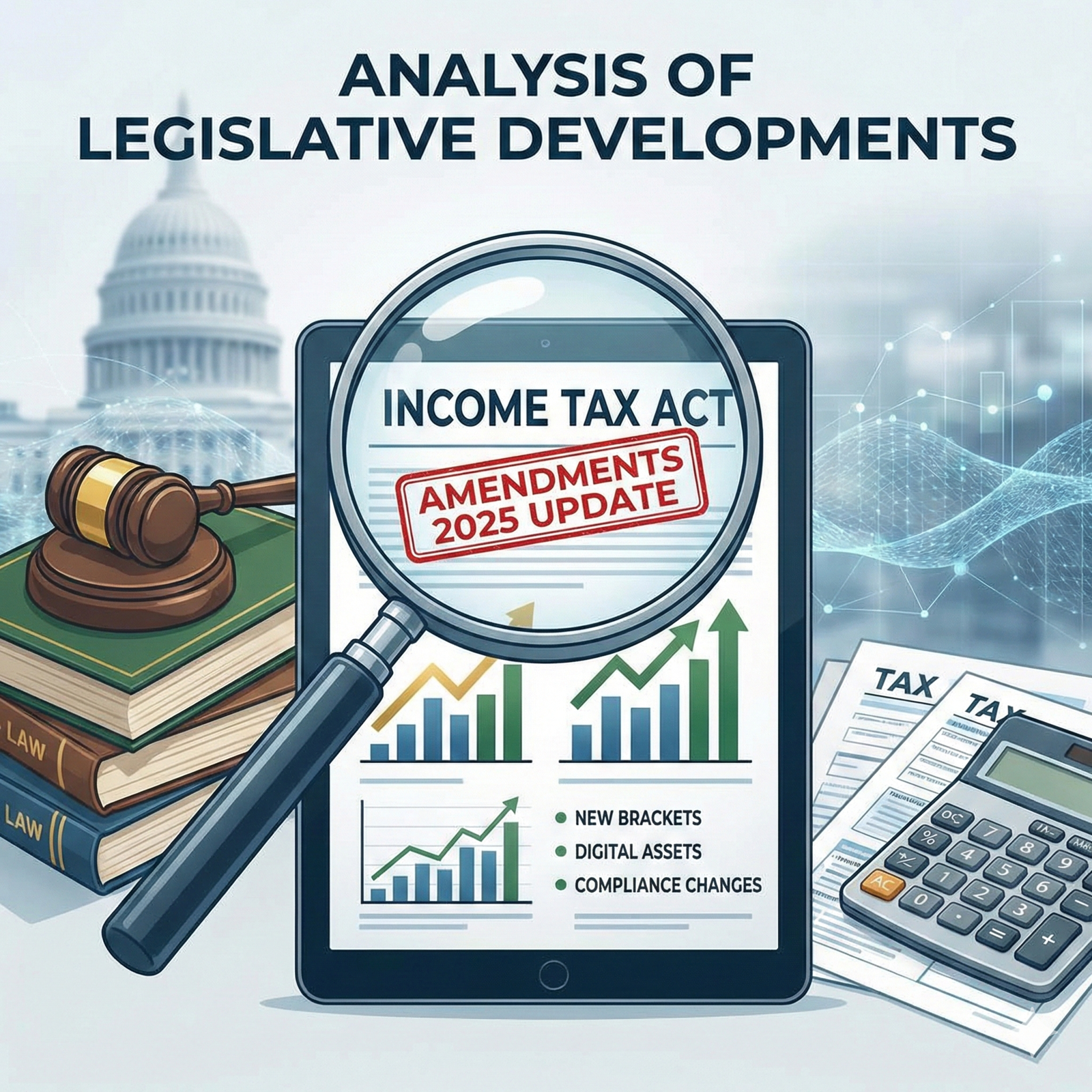
New Income Tax Act: The much-awaited New Income Tax Act will officially come into effect from April 1, 2026.
Simplified Compliance: The focus is on reducing the "clutter." Expect simplified forms and clearer rules to make filing returns easier.
ITR Deadlines: A new staggered filing system has been proposed. While the deadline for individuals (ITR-1/2) remains July 31, non-audit business cases may see an extension to August 31 to reduce portal congestion.
Customs Duty Relief: Customs duty on 17 critical cancer and rare disease drugs has been exempted to make healthcare more affordable.
🏭 3. Industry, Tech & MSMEs
The budget aims to position India as a global manufacturing hub, moving beyond just "assembly."
Semiconductor Mission 2.0: A fresh outlay of ₹40,000 crore has been allocated to support the second phase of India's chip ecosystem, focusing on R&D and component manufacturing.
Biopharma Shakti: A new scheme with ₹10,000 crore funding to establish India as a global biopharma hub, including a network of 1,000 accredited clinical trial sites.
SME Growth Fund: A dedicated ₹10,000 crore fund to support the expansion and innovation of MSMEs, along with ₹2,000 crore in liquidity support for micro-enterprises.
🌾 4. Agriculture: The Digital Leap
The "Annadata" (farmer) is receiving a high-tech upgrade.
Bharat-VISTAAR: Launch of a multilingual, AI-based platform to provide customized advisory services to farmers, helping them reduce risks and improve yields.
Crop-Specific Focus: New dedicated schemes for Coconut, Cashew, and Cocoa to boost productivity and export potential.
Water Security: Integrated development of 500 reservoirs and Amrit Sarovars to ensure irrigation stability.
🚄 5. Infrastructure & Urban Development
The physical backbone of the economy continues to get heavy investment.
High-Speed Rail: Continued funding for high-speed corridors and the expansion of the Metro network in tier-2 cities.
City Economic Regions: Development of specialized economic zones around cities to decentralize industrial growth.
University Townships: Proposal to build five university townships near industrial corridors to bridge the academia-industry gap.
Conclusion
Budget 2026 avoids populist "freebies" in favor of structural strengthening. By implementing a new tax code, funding deep-tech sectors like semiconductors and biopharma, and digitizing agriculture, the government is betting on efficiency and innovation to drive the next phase of Indian growth.

















Write a comment ...